
While working on her books, Susan has been researching many different things in and around the regency period.
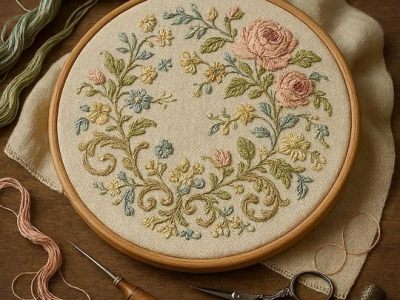
Regency popular hobbies: Needlework, Reading Circles, or Card Games
Regency hobbies like needlework, reading circles, and card games filled long afternoons and evenings with purpose, blending leisure with social strategy in an era without modern distractions. These pastimes weren’t idle distractions—they signaled refinement, strengthened bonds, and navigated the rigid class structures of the time, offering women and gentlemen alike subtle ways to shine or…

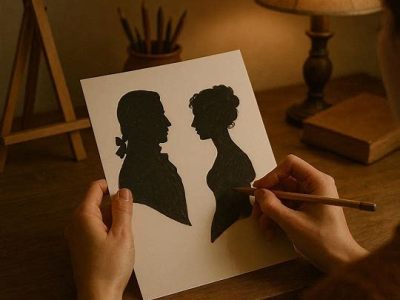
Why did people draw Silhouettes in the Regency Era?
Silhouettes swept Regency England like a shadow across a candlelit ballroom—simple, affordable, and irresistibly elegant. Before photography stole the spotlight, these stark profile portraits captured a person’s essence in one swift outline, becoming must-have mementos for families from grand estates to modest parlours. Let’s uncover why they captivated an era obsessed with likenesses, legacy, and…
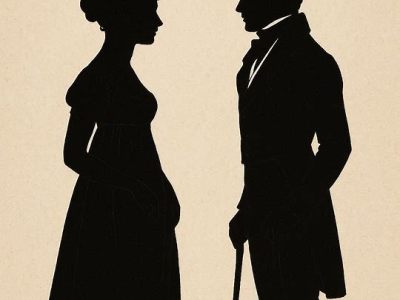
What is the meaning behind Regency fashion silhouettes?
Regency fashion silhouettes were revolutionary, transforming the heavy, ornate styles of the Georgian era into light, flowing lines inspired by ancient Greece and Rome. Far from mere aesthetics, these shapes symbolised neoclassical ideals of natural beauty, freedom, and a break from rigid corsetry—perfect for a society embracing post-Revolutionary simplicity and elegance. The empire waist The…
What is the meaning behind the practice of naming houses and estates?
If you’re like me, you can’t resist the allure of grand names like “Longbourn,” “Pemberley,” or “Netherfield Park” while leafing through classic Regency tales. But have you ever wondered why houses and estates were named at all, and what these names really meant to those who called them home? Status, legacy, and identity: More than…
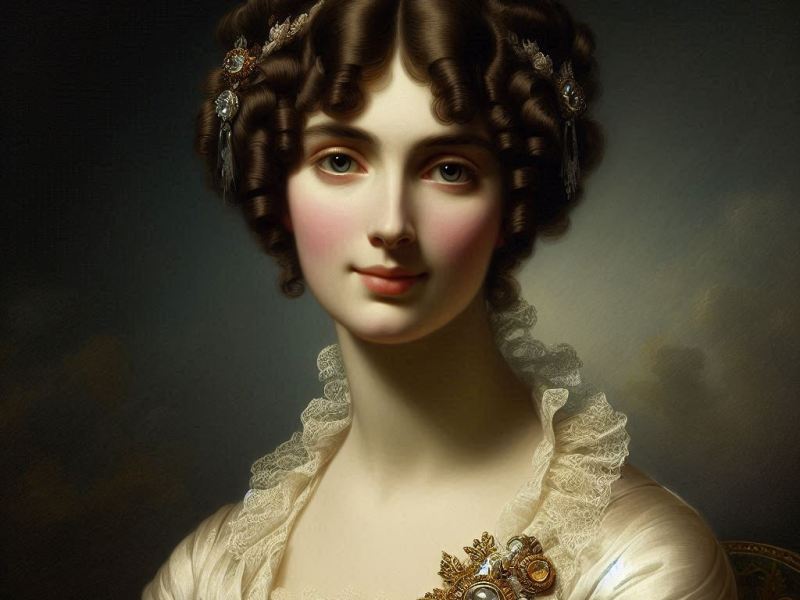
What is the meaning behind Regency jewellery motifs like the Serpent, Star, or Grapevine?
Regency jewellery is endlessly fascinating, not just for its beauty but for the secret language locked within its motifs. If you’ve ever found yourself intrigued by a serpent ring, a sparkling star pendant, or a delicate grapevine design, you’re in good company—the fashionistas of the early nineteenth century were masters of symbolic accessorising. The Serpent:…
Regency + music
During Regency England, several influential music creators and compositions played significant roles in shaping the musical landscape. Influential composers Popular music and dance The Regency period was a time of musical transition, with influences from both the Classical and emerging Romantic styles. Composers like Clementi, Haydn, Mozart, and Beethoven were highly influential, while traditional folk…

Winter entertainment – if you didn’t go to London
During the Regency period, people in country England kept themselves entertained during the winter months through a variety of activities that were both indoor and outdoor. Indoor Outdoor Seasonal traditions During the Regency period, people in country England found ways to stay entertained and engaged during the winter months through a mix of indoor activities,…
Did Austen show love differently from males to females?
I have often thought on this…. as most of her novels from mainly from the females perspective. Jane Austen’s depiction of love in her novels differs significantly between male and female characters, reflecting the societal norms and gender roles of her time. Female characters and Love Male characters and love Comparison of depictions Austen’s depiction…
Love. Jane Austen v’s reality
Jane Austen’s novels are renowned for their nuanced exploration of love and marriage in Regency England. While Austen believed in the importance of marrying for love and companionship, this view was not universally prevalent during her time. In fact, marriage in the Regency era was often viewed as a business arrangement designed to consolidate wealth,…
The rise of the Middle Class through Jane Austen’s eyes
The rise of the middle class during this era had a profound impact on the social landscape, influencing how Austen portrayed class relationships and mobility in her works. The emergence of the Middle Class The middle class, comprising professionals, merchants, and tradespeople, grew in prominence during the Regency period. This growth was driven by the…
Exploring the social hierarchy through Jane Austen
Jane Austen’s novels offer a rich tapestry of insights into the social hierarchy of Regency England, a period marked by strict class divisions and societal expectations. Through her characters and their experiences, Austen critiques the social norms of her time, providing a nuanced exploration of the complexities of class, marriage, and family. The social structure…
Regency Christmas
Christmas in Regency England (1811-1820) was a vibrant celebration marked by unique traditions, elaborate feasts, and a growing emphasis on family and community. This era witnessed the beginnings of many customs that we now associate with the holiday season. In this article, we will explore how the festive season was celebrated, the foods that graced…

December in Regency England
The month of December during the Regency era (1811-1820) presented an atmospheric blend of chill, frost, and the transition toward Christmas festivities. The weather varied across the country, with differing regional climates influencing how people spent the month. Although the harshness of winter often dictated day-to-day life, December also signaled the arrival of important social…
What was the zoo like in Regency England?
The Regency era in England (1811-1820) was a time of societal evolution, with a growing fascination for science, exploration, and the natural world. One of the ways this interest manifested was through menageries—early forms of zoos—where exotic animals were exhibited for public viewing. These menageries, although not modern in their approach to animal welfare, captivated…

Young unmarried Men in Regency England: What did they do for fun?
In Regency England, the lifestyle of young unmarried men—particularly those of the upper and middle classes—was shaped by the social norms and expectations of the time. With formal responsibilities often deferred until marriage or inheritance, these young men enjoyed a variety of leisure activities. Whether indulging in sporting pursuits, social events, or personal hobbies, they…

Explore the beverages of Regency England, from tea to wine, and how social class influenced drinking habits and propriety
In Regency England (1811-1820), drinking habits were as much a reflection of social class as they were of cultural trends. What people drank was influenced by wealth, availability, and even morality, with different classes enjoying different beverages and some drinks considered improper by society. The Drinks of the Upper Classes: The wealthy in Regency England…

How Regency England’s wealthy Families spent their summers: travel, estates, and social influence
During the Regency era, the summer months were a time of leisure, luxury, and social maneuvering for the wealthy. As the season shifted, elite families sought to escape the bustle of London and headed for their grand country estates, seaside resorts, or fashionable spa towns. These locations were not only retreats but served as prime…
Top 5 influencers of Regency England
The Regency era (1811–1820) was a time of elegance, societal change, and significant political events. This short-lived but crucial period was marked by influential figures who shaped the cultural, political, and intellectual landscape of England. From statesmen and writers to social reformers and royalty, their legacies left indelible marks on history. 1. The Prince Regent…
The daytime entertainment of the Regency Period
The Regency era (1811-1820) was a time of elegance, refinement, and cultural expansion in England. Known for its fashionable society, artistic achievements, and an influx of leisure activities, it was a period where the elite sought entertainment in both grand and casual settings. While balls and soirées dominated evening life, the daytime provided a variety…
Did Regency celebrate Halloween?
When we think of Halloween, images of costumes, trick-or-treating, and spooky decor come to mind. But did these customs exist in Regency England (1811-1820), a period known for its grand balls, opulent fashion, and classical literature? While modern Halloween celebrations didn’t exist as they do today, the period was not without its own autumnal customs…
Meaning of colours in Regency England
A Regency-era gown in vibrant green, a symbol of wealth and prosperity during the early 19th century.

Paws, Hooves, and Feathers of Regency England
Picture this: a refined lady, dressed in the finest muslin gown, gently cradling a tiny spaniel in her arms. This scene, so quintessentially Regency, speaks volumes about the era’s fascination with lap dogs. These diminutive canines, often Pugs, King Charles Spaniels, or Italian Greyhounds, were more than mere pets—they were living accessories that showcased their…
Flowers and fashion in Regency England
Picture yourself strolling through a lush English garden, the soft rustle of silk gowns mingling with the sweet fragrance of blooming flowers. Welcome to Regency England, a time of elegance, romance, and floral fascination! Popular blooms of the era During the Regency period (1811-1820), young ladies were particularly enamored with certain flowers that captured the…

Regency Christmas food traditions in England
Christmas in the Regency era (1811–1820) was a festive occasion, and though it was less commercialised than modern Christmases, the holiday was still marked by delicious feasts and family gatherings. The food served at Christmas reflected both traditional English fare and the indulgent tastes of the time, particularly among the wealthier classes. The Christmas Feast…
Summary of Kings and Queens of England and Scotland for Regency-Era
Key monarchs relevant to the Regency period: Scotland’s Connection: Scotland and England shared the same monarch after the Union of the Crowns in 1603 under James VI of Scotland (James I of England). Thus, the monarchs during the Regency period were also the rulers of Scotland. Timeline: Fun Fact: The lavish balls and events of…

Crime and punishment in Regency England
The Regency era, spanning from 1811 to 1820, was a time of elegance, social upheaval, and, intriguingly, crime. While society was engrossed in balls, literature, and fashion, the underbelly of Regency England grappled with various types of crimes that shaped the era’s social fabric. From bustling London to the serene rural areas, crime was an…
Marrying age
In Regency England, the legal age for marriage and the reasons for marriage varied, reflecting the social and legal customs of the time. Legal marrying age and practices Perfect marrying age and motivations for marriage Motivations for marriage In Regency England, the legal marrying age, motivations for marriage, and the societal expectations surrounding marriage reflected…
The perfect gift for a young woman in Regency England
In Regency England, the exchange of gifts played a significant role in courtship and social etiquette, reflecting the values and norms of the time. The perfect gift for a young woman during this era was one that conveyed sentiment, refinement, and social status. Courtship gifts conveying devotion Symbolism and social significance In Regency England, the…
What is accomplished?
the concept of an accomplished woman was deeply entrenched in societal expectations and values. Jane Austen’s works, particularly Pride and Prejudice, shed light on the multifaceted qualities and skills that defined an accomplished woman. Here are the various aspects and examples of what it meant for a woman to be accomplished during this era, drawing…
The limited career options for women in Regency
During the Regency era, women’s career options were influenced by their social class and the prevalent societal norms. Here’s a breakdown of the types of careers women could have during this period, as gleaned from various sources: Social class and occupations Governesses and companions Working and lower-middle class women The career options available to women…
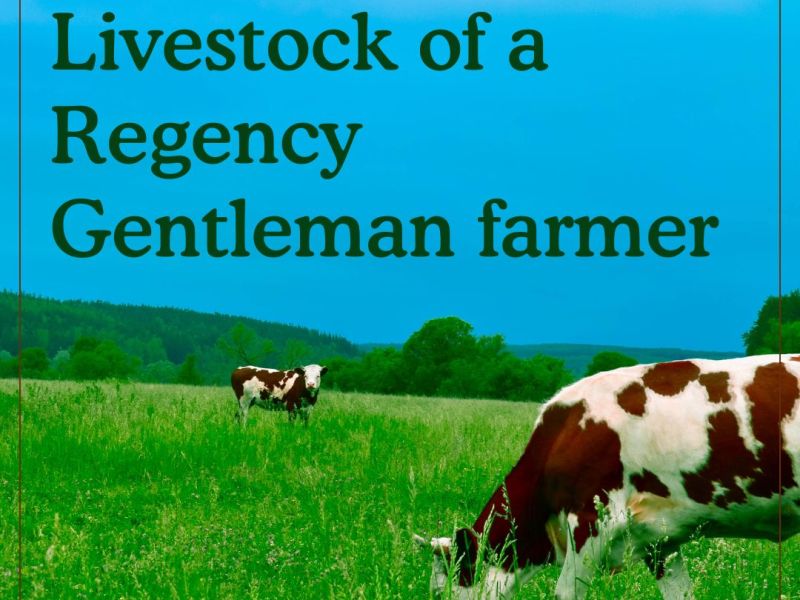
Livestock of a Regency Gentleman Farmer
In Regency England, a gentleman farmer’s estate was often a showcase of agricultural prosperity, and the animals they kept were a reflection of their wealth and status. The main animals that a gentleman farmer would have on their estate during this era (excluding chickens etc): Cattle Sheep Horses The livestock kept by gentleman farmers in…

Hangover Cures in Regency England
In Regency England, heavy drinking was a prevalent practice among the upper and middle classes. Hangover cures ranged from the bizarre to the seemingly effective. Let’s delve into the best methods to cure a hangover during this era. Traditional hangover remedies Drinking culture in Regency England In Regency England, the best methods to cure a…
 Susan Walsh - Author