
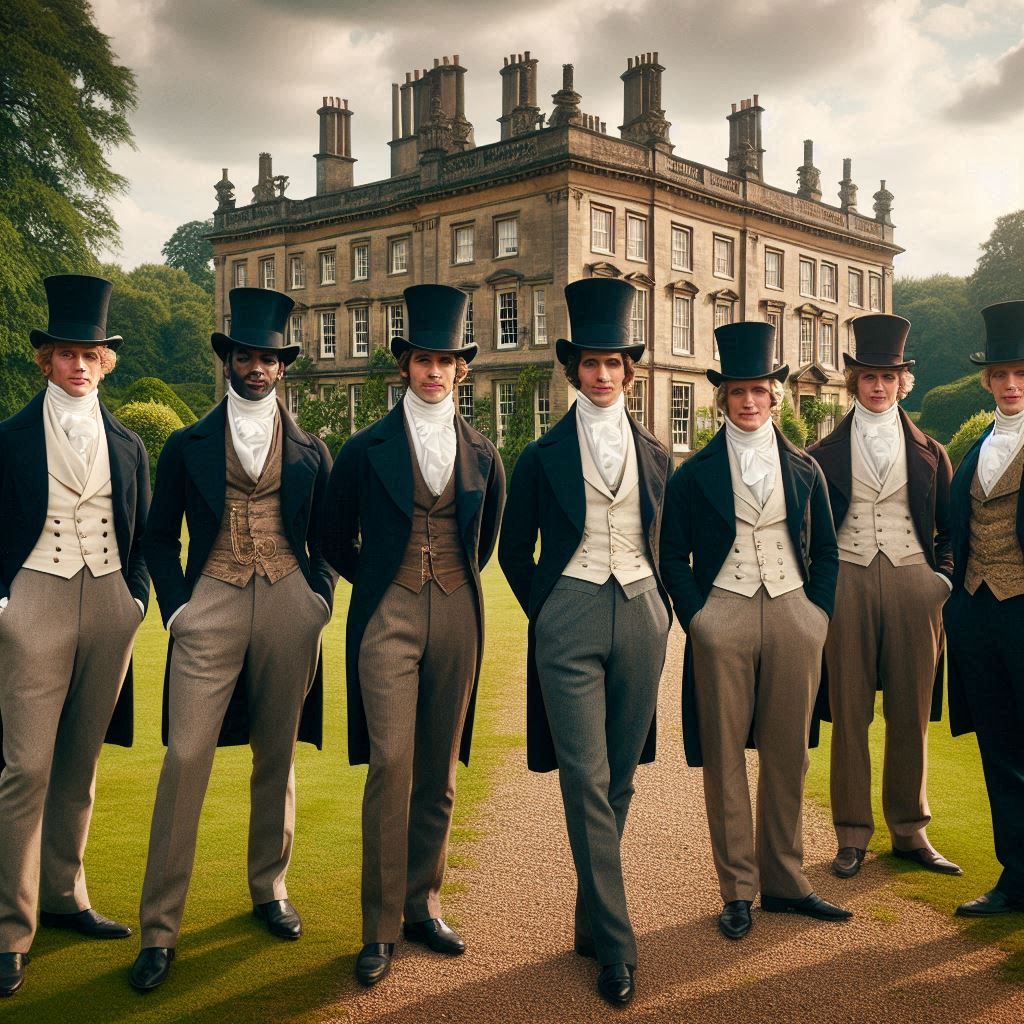
In Regency England, the lifestyle of young unmarried men—particularly those of the upper and middle classes—was shaped by the social norms and expectations of the time. With formal responsibilities often deferred until marriage or inheritance, these young men enjoyed a variety of leisure activities. Whether indulging in sporting pursuits, social events, or personal hobbies, they found many ways to pass the time and build their networks. Here, we delve into some of the most popular activities that these men enjoyed.
Sporting Pursuits
Sport was an essential aspect of life for young men of the Regency era. Popular sports included:
- Boxing (Prizefighting): Boxing gained popularity among young gentlemen who either participated in bouts or attended matches as spectators. These events were often organized informally and could draw considerable crowds.
- Hunting: Fox hunting and other forms of game hunting were favored pastimes for the gentry. These activities provided both the thrill of the chase and opportunities for socializing with peers.
- Fencing and Swordsmanship: Duels may have been illegal by this time, but fencing schools thrived. Practicing swordsmanship was seen as a gentlemanly pursuit and a valuable skill for self-defense.
- Cricket and Horse Racing: Cricket was emerging as a structured sport during this period, while horse racing was already well-established. The sport of kings drew large gatherings, and betting on races was commonplace.
Socializing at Clubs and Taverns
Young unmarried men were also enthusiastic participants in the growing club culture of the era. London and other cities hosted numerous gentleman’s clubs, each with its own unique flavor:
- White’s and Brooks’s Clubs: These were exclusive gentlemen’s clubs frequented by the elite of society. Club members could socialize, play cards, and debate politics or literature.
- Taverns and Inns: For a less formal atmosphere, young men often gathered at taverns and inns to drink, gamble, and share tales of their exploits. Alehouses, particularly in urban areas, offered a lively social scene, catering to a broader cross-section of society than the exclusive clubs.
Gambling
Gambling was a widespread indulgence, and young men were no exception. Whether at the clubs, taverns, or private homes, gambling on card games such as Faro, Whist, and Hazard was a popular pastime. It was not uncommon for young men to wager significant sums, leading some to ruin their finances at a young age.
Attending Balls and Assemblies
While the marriage market was a primary focus for many, attending balls and assemblies was also an enjoyable activity in its own right. Young men could dance, flirt, and showcase their charm and wit. These social gatherings were central to the Regency social calendar, providing opportunities for networking, forging alliances, and engaging in courtship rituals.
Horseback Riding and Driving
The love of horses extended beyond hunting and racing. Many young men enjoyed leisurely rides through the countryside or city parks. Additionally, driving carriages, such as the popular phaetons, allowed them to display their skills and daring. A young man driving recklessly was often seen as bold and fashionable.
Theater and Opera
Theater and opera were also favored forms of entertainment for young men in Regency England. Attending performances at venues such as Covent Garden or Drury Lane was a fashionable pursuit. Many young gentlemen would occupy private boxes, using the occasion as much for social interaction as for appreciating the performance.
Taking Part in Intellectual Activities
Some young men of higher intellectual or artistic leanings gravitated toward literature, poetry, or art. They often joined salons or formed literary societies where they could discuss ideas, share their work, and engage in philosophical debates. For those inclined toward scientific discovery, this was also the era of exploration and inquiry, with discoveries in various fields captivating the minds of the curious.
Military Service
For those seeking adventure and excitement, the military offered another outlet. The Napoleonic Wars (1803-1815) provided ample opportunities for young men to join the army or navy, experiencing the thrill of battle and expanding their horizons. Military service was also seen as an honorable pursuit, enhancing a man’s social standing.
Young unmarried men in Regency England had a wide array of activities to fill their days, from the thrill of the hunt to the intellectual pursuits of salons and clubs. Their leisure activities reflected not only their social standing but also the expectations of a society that valued gentlemanly behavior, sport, and entertainment. While some sought excitement and risk through gambling and sport, others took pleasure in socializing or attending cultural events. Ultimately, the activities these men engaged in allowed them to navigate a complex social world, shaping their identities before settling into marriage and responsibility.
FAQs
What sports did young men in Regency England participate in?
Young men participated in boxing, hunting, fencing, cricket, and horse racing. These sports were popular among the upper and middle classes.
What role did clubs and taverns play in the lives of young men?
Clubs like White’s and Brooks’s were hubs for socializing, gambling, and networking. Taverns provided a more casual atmosphere for drinking, gambling, and mingling.
Did young men in Regency England enjoy gambling?
Yes, gambling was a prevalent activity. Young men often wagered large sums on card games such as Faro, Whist, and Hazard.
What cultural activities did young unmarried men enjoy?
Attending the theater and opera was popular, as were intellectual activities like participating in salons, literary societies, and debates.
Was military service a common pursuit for young men during this period?
Yes, especially during the Napoleonic Wars, military service was a significant draw for young men seeking honor, adventure, and social elevation.
The world of young unmarried men in Regency England was one filled with diverse opportunities for entertainment, socializing, and personal growth. From physical activities to intellectual pursuits, these men navigated a world rich in tradition and evolving tastes, contributing to the vibrant culture of the period.
 Susan Walsh - Author