
-
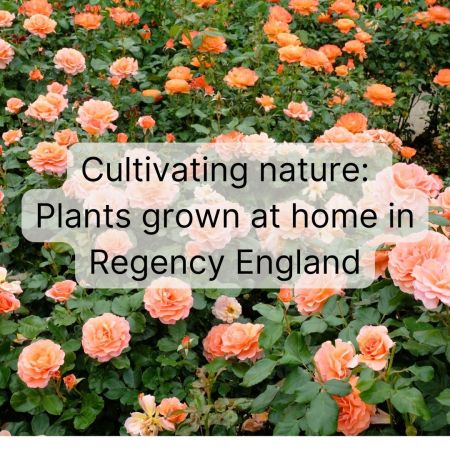
Cultivating nature: Plants grown at home in Regency England
During the Regency Era in England, gardens were an essential part of domestic life, combining beauty with practicality. Old English roses, herbs for culinary and medicinal use, fruit trees, bulb flowers, cottage garden flowers, and ornamental shrubs were commonly cultivated, reflecting the values of the period: beauty, practicality, and self-sufficiency. Read more
-

Connecting in the Regency era: methods of communication
In the Regency Era, communication relied on diverse methods tailored to different social classes. Letter writing conveyed thoughts and news, taking days to arrive. Calling cards facilitated introductions among the upper classes. Social events fostered face-to-face interactions, influenced by hierarchies. Newspapers disseminated information with limited interaction. Verbal communication was limited by proximity and often complemented… Read more
-

Exploring the diverse drinks of Regency England
In Regency England, a wide range of beverages graced the tables of both the elite and the common people. Tea, enjoyed by all social classes, varied in quality based on affordability. Coffee, slightly more luxurious, was favored by the middle and upper classes. Hot chocolate was a decadent treat for the affluent, while beer and… Read more
-

Tea culture in Regency England: A ritual of elegance and social connection
Tea in Regency England was more than just a beverage; it was a cherished ritual symbolizing refinement and social connection. Despite its expense, it was prevalent across all social classes. Tea parties facilitated mingling, conversation, and networking, while afternoon, morning, and evening teas provided formal and informal settings for enjoying tea and refreshments. Read more
-

Fascinating facts about the Regency England
Tea culture: “Tea” didn’t refer to “afternoon tea” as we know it today. Accomplishments of ladies: Women acquired various skills beyond education, including drawing, painting, and playing musical instruments. Ankles weren’t scandalous: It wasn’t scandalous for ladies to show their ankles during the Regency era. Regency plumbing: Over 290 miles of underground piping were installed… Read more
-
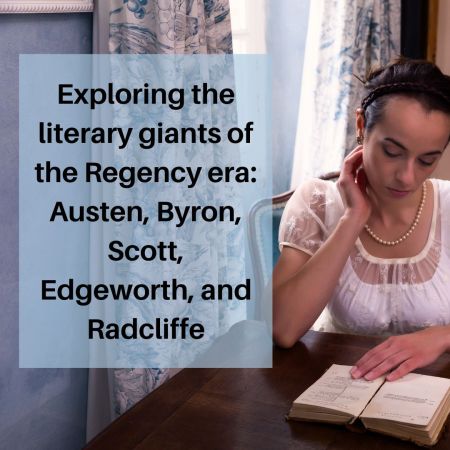
Exploring the literary giants of the Regency era: Austen, Byron, Scott, Edgeworth, and Radcliffe
Delve into the captivating world of Regency England through the lens of its prolific authors, whose literary contributions transcended mere entertainment to shape societal norms and values. From the beloved novels of Jane Austen, which shed light on love, marriage, and class hierarchy, to the poignant poetry of Lord Byron, exploring themes of passion and… Read more
 Susan Walsh - Author