
Christmas in Regency England (1811-1820) was a vibrant celebration marked by unique traditions, elaborate feasts, and a growing emphasis on family and community. This era witnessed the beginnings of many customs that we now associate with the holiday season. In this article, we will explore how the festive season was celebrated, the foods that graced the tables, and the social activities that brought joy to families during this enchanting period.
Christmas Traditions
During the Regency era, Christmas was celebrated on December 25th, but the festivities often began well before that date. Many families would prepare for the holiday season by:
- Advent Celebrations: The lead-up to Christmas was marked by Advent, which included special church services and preparations for the holiday.
- Christmas Trees: Although the modern Christmas tree became popular later, some households in Regency England began adopting the custom of decorating trees with candles, fruit, and homemade ornaments.
- Caroling: Groups would often gather to sing carols, spreading holiday cheer through their communities.
Festive Foods
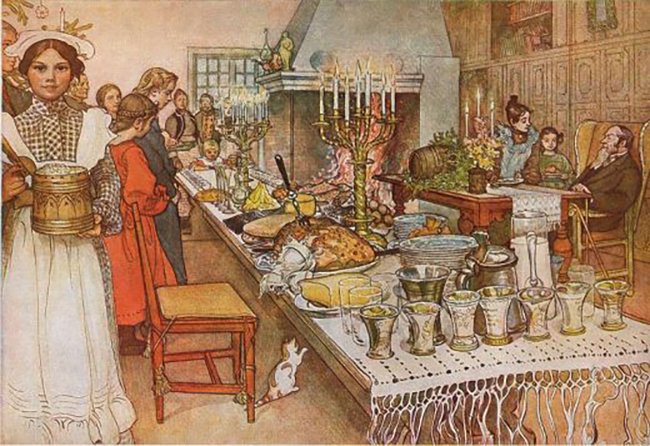
Food played a central role in Christmas celebrations. Regency families indulged in a variety of traditional dishes, often showcasing the wealth and status of their households. Some popular festive foods included:
- Roast Goose or Turkey: These were the centerpieces of the Christmas feast, often served with rich gravies and accompaniments.
- Plum Pudding: A staple of the Christmas table, plum pudding (or Christmas pudding) was a rich dessert made with dried fruits, spices, and often brandy. It was traditionally served with a sprig of holly on top.
- Minced Pies: These sweet pies, filled with a mixture of dried fruits and spices, were a favorite treat during the season.
- Mulled Wine: This warm, spiced beverage was commonly served at gatherings, adding to the festive atmosphere.
Social Activities
Christmas was also a time for socializing and community engagement. Regency families participated in various activities, including:
- Balls and Dances: Many affluent families hosted grand balls to celebrate the season, providing an opportunity for young people to mingle and enjoy entertainment.
- Charity Events: The spirit of giving was important during this time. Wealthy families often engaged in charitable activities, providing food and gifts to the less fortunate.
- Family Gatherings: Families would come together to celebrate, reinforcing the bonds of kinship and community.
Regional Variations
Christmas celebrations varied across regions in England, influenced by local customs and traditions. For instance:
- London: The capital boasted extravagant parties and displays, including the famous Christmas markets that offered a plethora of goods.
- Country Estates: In rural areas, Christmas was often more subdued, focusing on intimate gatherings and traditional country fare.
- Religious Practices: The religious significance of Christmas was emphasized in many regions, with church services playing a central role in the celebrations.
FAQs
1. What was the significance of Christmas in Regency England?
Christmas served as a time for family reunions, charitable acts, and social gatherings, fostering community spirit.
2. Did everyone celebrate Christmas the same way?
No, celebrations varied significantly depending on social class and regional customs.
3. What were some popular Christmas gifts during this time?
Common gifts included handmade items, toys for children, and small luxuries like spices and sweets.
4. How did Christmas evolve after the Regency era?
Many traditions from the Regency period laid the groundwork for modern Christmas celebrations, including the Christmas tree and festive meals.
Christmas in Regency England was a time of joy, reflection, and community. The rich tapestry of traditions, from festive foods to social gatherings, not only brought families together but also marked a significant cultural shift towards a more modern celebration of the holiday. As we enjoy our own Christmas traditions today, it is fascinating to reflect on how these customs have evolved over time, rooted deeply in the past and continuously shaping our present celebrations.
 Susan Walsh - Author