
In the early 19th century, Regency England was marked by a flourishing cultural scene, refined social customs, and distinctive fashion trends. Ballroom events served as pivotal occasions for the elite, offering a platform for social interaction, matchmaking, and the display of wealth and status. These gatherings were not just about dance; they were showcases of elegance and sophistication, where every detail of attire spoke volumes about one’s taste and standing in society. Let’s delve into the enchanting world of Regency ballroom fashion to uncover its secrets and timeless allure.
- The iconic regency gown
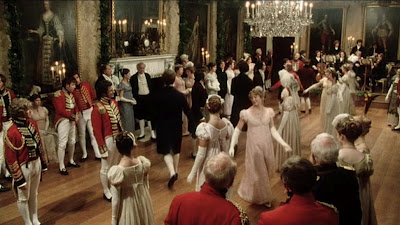
Regency gowns epitomised grace and simplicity. They featured an empire waist, which sat just below the bust, creating a flattering silhouette that accentuated the natural curves of the body. The flowing skirts, often made from lightweight fabrics such as muslin, silk, or satin, added an ethereal quality to the attire. This emphasis on simplicity and elegance reflected the societal ideals of femininity during the era, where modesty and refinement were highly valued.
- Fabric and color trends
Muslin, silk, and satin were the fabrics of choice for Regency gowns, prized for their delicate drape and soft texture. Pastel hues like pale pink, sky blue, and lavender dominated the color palette, mirroring the romantic sensibilities of the period. Influenced by French fashion trends, these fabric choices and color palettes exuded a sense of lightness and femininity, perfectly suited for the ballroom setting.
- Hairstyles and accessories
Elaborate updos adorned with ribbons, feathers, and flowers were the hallmark of Regency hairstyles, adding a touch of whimsy and romance to the overall look. Complementing these hairstyles were signature accessories such as delicate gloves, a fan, reticule (small handbag), and parasol, each serving both a practical and decorative purpose. The importance of coiffure cannot be overstated, as hairstyles evolved to harmonize with the gown designs, completing the ensemble with finesse.
- Influential figures in regency fashion
Prominent fashion influencers like Beau Brummell and the Duchess of Devonshire played pivotal roles in shaping Regency fashion trends. Their impeccable taste and social status elevated them to iconic status, setting standards of elegance and refinement that were emulated by society at large. Fashion magazines and publications further disseminated these trends, exerting a profound influence on fashion-conscious individuals eager to emulate the elite.
- Fashionable footwear
Regency footwear consisted of delicate slippers with low heels, often embellished with ribbons or decorative buckles. Comfort and practicality were paramount, especially for dancing at ballroom events where hours were spent on one’s feet. Footwear styles evolved in tandem with changing societal norms and fashion trends, reflecting the era’s dynamic cultural landscape.
Regency ballroom fashion captivated the imagination with its elegance, refinement, and timeless appeal. From the iconic silhouette of the gown to the intricate details of hairstyles and accessories, every element spoke to the grace and sophistication of the era. The legacy of Regency fashion continues to inspire designers and fashion enthusiasts alike, serving as a reminder of the enduring allure of Regency England’s cultural heritage. As we uncover the secrets of this bygone era, let us continue to celebrate the elegance and sophistication of Regency ballroom fashion through further exploration and appreciation.
 Susan Walsh - Author